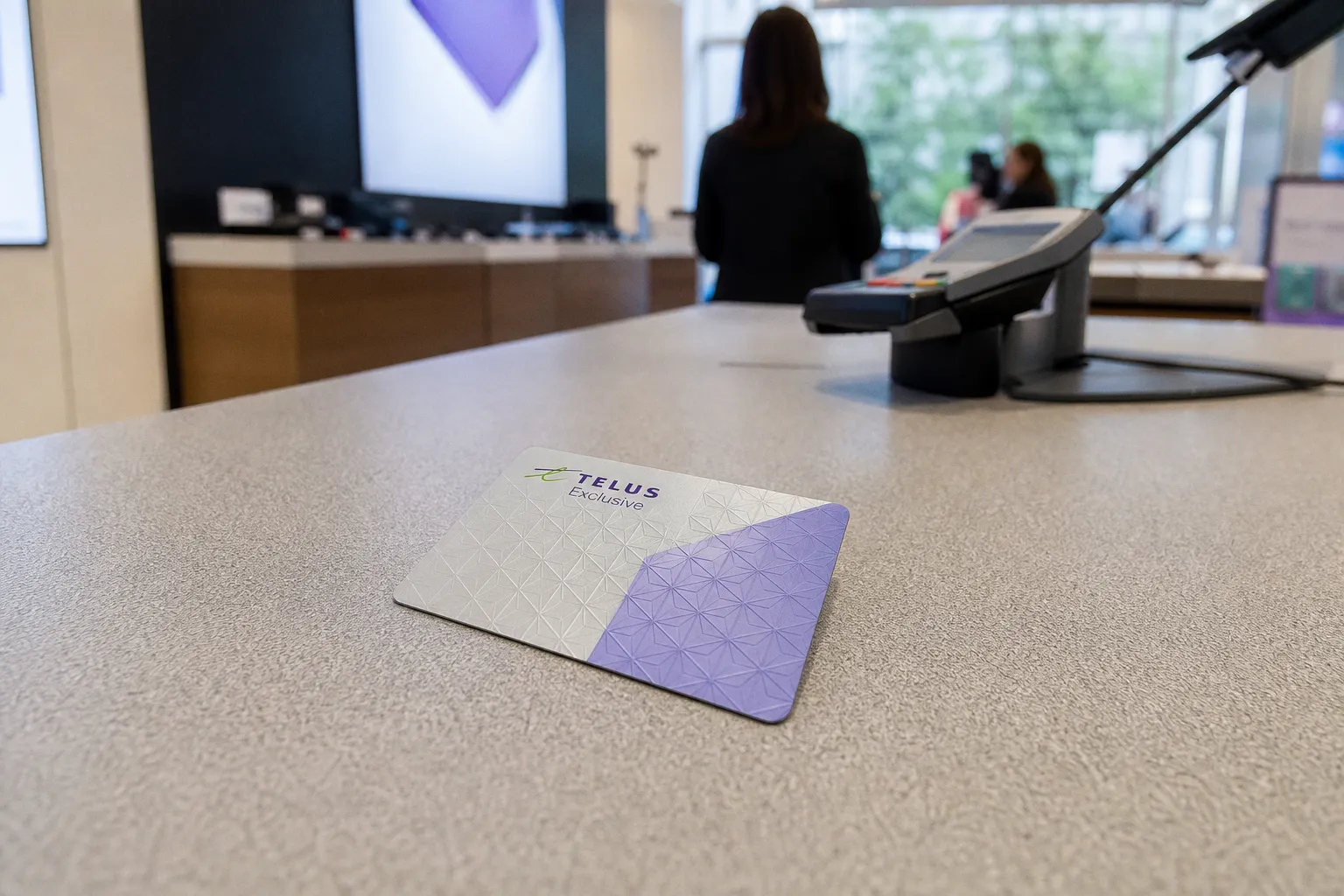
Rewriting the relationship, not the transaction
In a recent Forbes feature, Jacob Pullia, TELUS's Director of Consumer Strategy and Commercial Partnerships and head of the TELUS Rewards program, laid out a philosophy that should sound familiar to anyone obsessed with customer experience. "Given that telcos already have a relationship with a customer, typically over anywhere from a two- to five-year contract depending on the service, we're less focused on incremental transactions," he said. "It's more focused on rewarding the customer, engaging the customer, and giving them reasons to interact outside of just the monthly bill payment."
That single distinction — moving from transaction-counting to relationship-building — is the entire ballgame. In categories where your product is functionally identical to your competitor's, the loyalty program cannot just be a points faucet. It has to become the reason someone chooses to stay, and ideally, the reason they tell their friends about you. Pullia pointed to American Express as inspiration, specifically how premium card products have held or grown their pricing while expanding the perceived value customers receive through benefits, access, and partnerships. That is the same logic that has powered the most enduring travel loyalty programs, from Marriott Bonvoy's tenure recognition to the status tiers that make frequent flyers feel seen.
For TELUS, the execution lives in two places. The first is integration — pulling smart home, health, and pet care services into a broader ecosystem so that the relationship with the customer expands well beyond the cell tower. The second is what Pullia calls "Perks Exchange," a partnership layer where account linking unlocks benefits competitors simply cannot match, because TELUS has so many customer touchpoints to offer partners in return. The friction gets removed for the customer, the value exchange deepens, and the moat against the next discount chaser widens.
What we should steal for our own programs
Here is where this gets practical for anyone running a loyalty program, on-chain or off. If your category is commoditized — and let's be honest, most consumer categories are heading that direction — your loyalty program has three jobs, not one. First, it has to acknowledge tenure. New-customer bonuses are fine, but if a five-year subscriber feels like they are paying full price while the neighbor down the street got a sign-up discount, you have already lost the trust that loyalty is supposed to build. Second, it has to give people reasons to come back between transactions. A telecom customer pays one bill a month; what are you offering them on day fifteen? Third, it has to make your partnerships feel like they belong to your ecosystem, not like a coupon clipping bin.
The TELUS model maps almost directly onto what we have been seeing with brand NFTs and tokenized memberships. The most interesting programs are not selling JPEGs; they are building access layers — early product drops, community channels, real-world perks — that reward the relationship rather than the wallet. When TELUS uses account linking to unlock unique partner benefits, that is the same mechanic as a token-gated experience that gets richer the longer you hold. The technology changes, the community-building principle does not.
What to watch next
If you are building a loyalty or membership experience right now, TELUS's play is worth studying for three specific reasons. Watch how they expand "Perks Exchange" — every new partnership they announce tells you which customer segments they consider strategically valuable. Watch how they communicate tenure recognition, because that language will either reinforce or undermine the perception that long-time customers matter. And watch the integration story, since the more touchpoints TELUS owns, the harder it becomes for a competitor to replicate the value stack.
The bigger lesson is the one Pullia keeps returning to. In a commodity market, loyalty innovation is not about making the price smaller. It is about making the relationship larger. That is true whether you are running a Canadian telecom, a global sneaker brand, or a community of token holders. The question isn't how many points you hand out. It's how many reasons you give someone to feel that staying is the obvious choice.