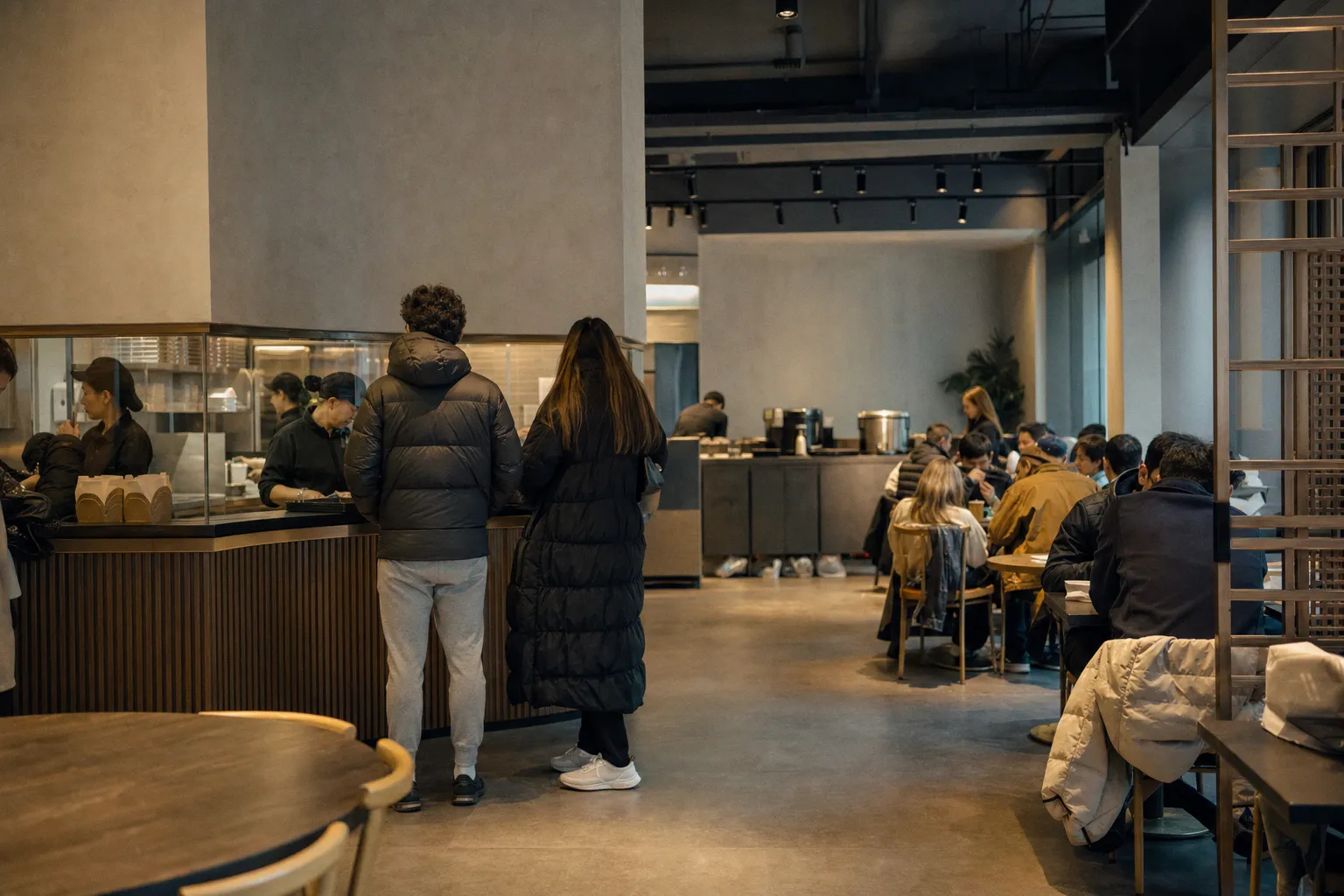
The brand has rolled out WokVerse, an immersive engagement platform built around AR, gaming, and social-first experiences, designed to turn the in-store wait into something a Gen Z diner actually wants to lean into rather than scroll past.
What's actually inside the experience
Walk into any Chinese Wok outlet, scan the QR code, and WokVerse opens up. There's a virtual chef, there are branded games, cricket-led interactive content, music layers, and what the brand is calling "social conversations" — essentially curated touchpoints where the meal and the digital world stop feeling like two separate things. The platform was built with younger, digitally native diners in mind, but the framework is flexible enough that older millennials won't feel locked out either.
The team has been clear that this isn't a one-and-done campaign. According to the launch announcement, WokVerse is being treated as a long-term brand property, with new experiences layered in over time as cultural moments and consumer habits shift. That distinction matters, because it tells us they're thinking in ecosystems, not activations.
The bigger play for brand builders
Here's the part that should catch your attention if you're sitting on the brand side of the table. Chinese Wok's head of marketing, Vikas Iyer, framed the move in a way that pulls the curtain back on the whole QSR growth thesis: "The future of QSR growth will be driven not just by what consumers eat, but by how brands make them feel and engage them throughout the experience." That sentence is the real story.
For years we've been talking about frictionless journeys and value exchange — the idea that every interaction with a brand either earns or spends trust. A passive queue is a friction point that almost every QSR already leaks from. By building a digital layer that lives inside that gap, Chinese Wok isn't just filling dead time; they're turning a cost center into a relationship-building moment. That's the same logic we see when global brands launch tokenized membership tiers or utility-driven collectibles — the underlying instinct is identical: meet the customer in the space where their attention actually lives, and give them something worth returning for.
The choice to make entry point a QR code is smart in the most practical sense. No app download, no wallet setup, no friction-heavy onboarding. You tap, you're in. For a brand thinking about community building at scale, that low barrier to entry is everything.
What to watch as this rolls out
The first thing I'd keep an eye on is whether the experiences genuinely change over time, or whether WokVerse settles into a static menu of games that quickly becomes wallpaper. The team has promised cultural integrations and ongoing evolution, but that's where most "long-term platforms" quietly stall.
Second, watch how UGC plays out. The launch messaging leans heavily on user-generated content and organic brand advocacy — if Chinese Wok can get real, unforced participation rather than the usual "tag us for a chance to win" mechanical engagement, the model starts to look genuinely replicable across other categories.
And finally, pay attention to whether utility extends past the restaurant walls. A platform like this is only as interesting as the moments when it travels with the customer — into their home, onto their group chats, into their routines outside mealtime. The brands that figure out that handoff are the ones writing the next chapter of loyalty.